Aloe Vera Care: The Healing Houseplant
Master the art of growing Aloe Vera. Learn about its light needs, watering secrets, and how to harvest its medicinal gel.
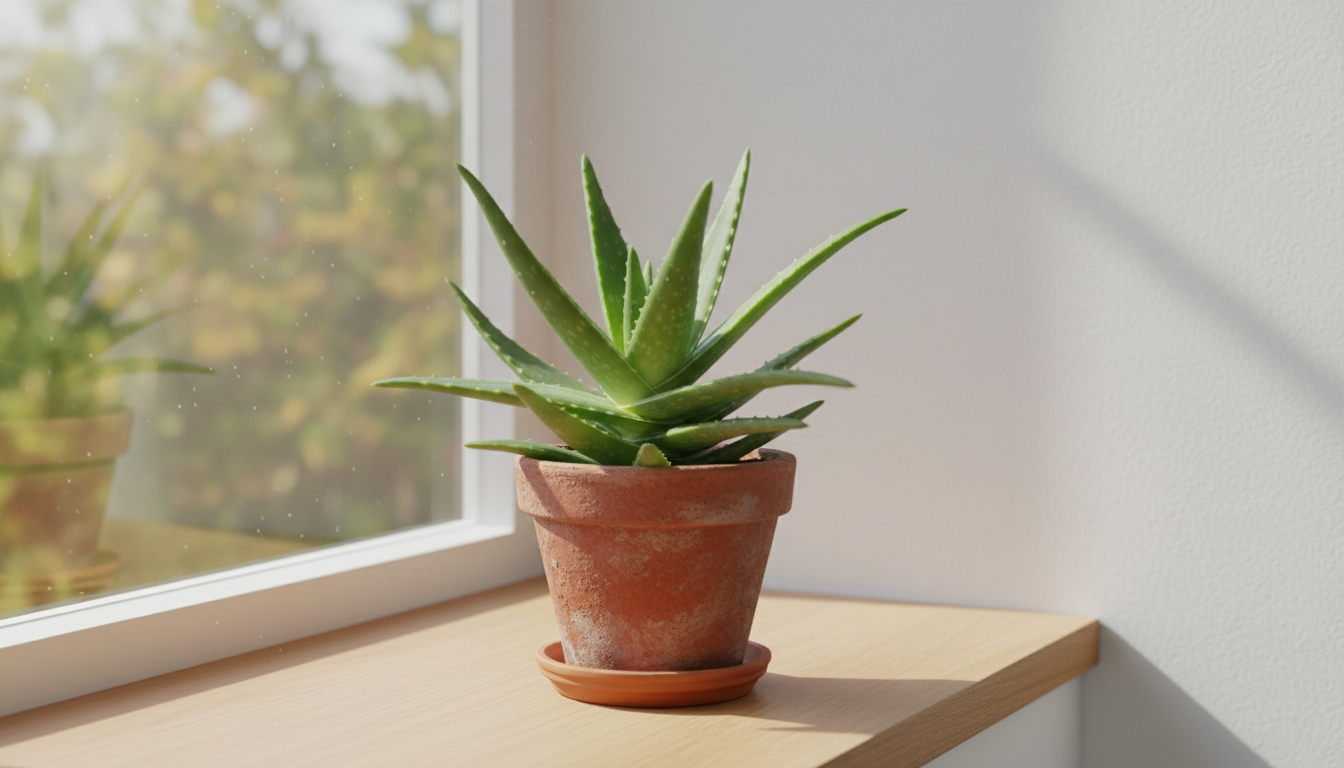
Aloe Vera: The Ultimate Functional Succulent
Aloe Vera, known for its medicinal properties and iconic spiky, fleshy leaves, is more than just a houseplant—it’s a living first-aid kit. Native to the Arabian Peninsula, this succulent is incredibly resilient and can live for decades when given the right conditions.
Whether you’re looking for a low-maintenance companion or a practical addition to your kitchen, the Aloe Vera is a perfect choice.
1. Quick Facts
- Difficulty: Easy
- Light: Bright Direct/Indirect Light
- Water: Low (Allow soil to dry out completely)
- Pet Safety: Toxic to cats and dogs (Contains saponins and anthraquinones)
2. Light: The Desert Sun
Aloes are sun-lovers and will thrive in a bright, sunny spot.
- Ideal: Bright, direct light near a South or West-facing window.
- Low Light: They can survive in lower light, but they will become “leggy” and have a tendency to fall over.
- Too Much: Direct midday sun in very hot climates can sometimes cause the leaves to turn a reddish-brown (sun stress).
3. The Art of Watering
The #1 killer of Aloe Vera is overwatering.
- The Soil: Use a specialized cactus or succulent potting mix. It must be very well-draining.
- Watering Routine: Allow the soil to dry out 100% between waterings. For most homes, this means watering every 3-4 weeks.
- The Method: Water deeply until water runs out of the drainage holes, then discard any excess water in the tray. Never let the pot sit in standing water.
4. Temperature & Humidity
Aloes prefer the warm, dry air typical of most homes.
- Temperature: They thrive in temperatures between 55°F and 80°F (13°C–27°C). Keep them away from drafty windows and AC vents.
- Humidity: They are very tolerant of low humidity and don’t require misting.
5. Propagation: The Fountain of Pups
Aloe Vera is famous for producing “pups” (offsets) around its base.
- Wait: Let the pups grow until they are about 1/4 the size of the mother plant.
- Separate: Gently pull or cut the pup away from the mother, ensuring it has some roots attached.
- Pot Up: Plant the pup in a small pot of succulent mix and wait a week before watering to allow any cuts to callous.
6. Harvesting the Gel
To use the gel for burns or skin irritation:
- Snip an older, outer leaf at the base.
- Stand it upright in a jar for 10 minutes to allow the yellow “aloin” sap to drain out.
- Slice the leaf open and scoop out the clear gel.
7. Common Problems
- Mushy Brown Leaves: This is a classic sign of root rot from overwatering.
- Thin, Flat Leaves: This indicates the plant is thirsty and is using its stored water reserves.
- Tall, Spindly Growth: The plant is “reaching” for more light. Move it to a sunnier location.
Quick Pro Tip
Don’t over-pot. Aloes prefer to be slightly root-bound. Only move to a larger pot when the roots are clearly crowding the existing one.