Grape Ivy
Cissus alata
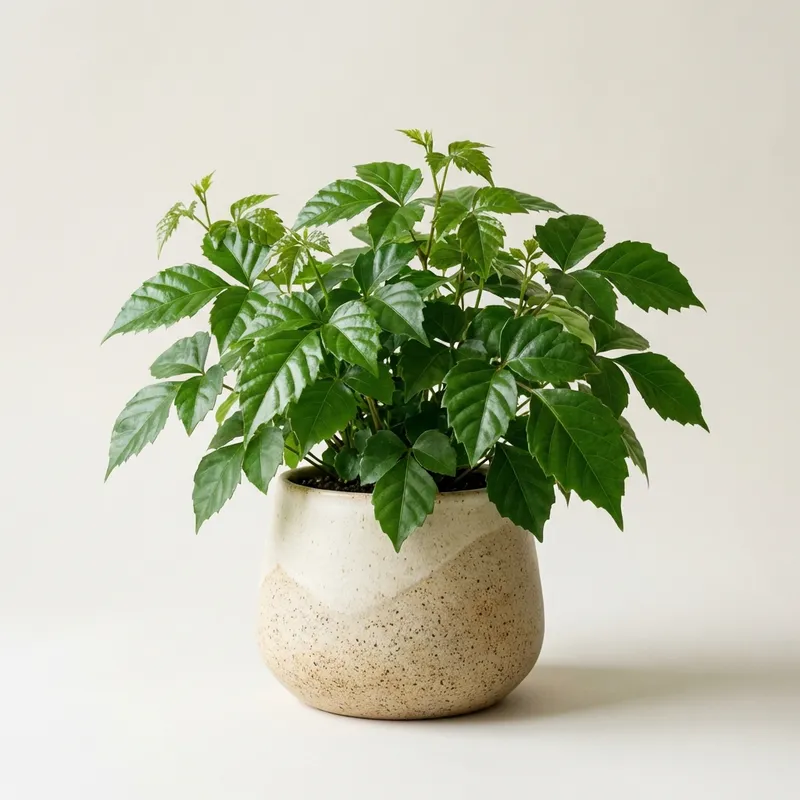
Cissus alata, popularly known as Grape Ivy, is a versatile and resilient climbing vine. It is admired for its lush, glossy, deep-green foliage consisting of trifoliate leaves that resemble those of grapevines or oak trees. The stems are often covered in fine reddish-brown hairs and feature small tendrils, allowing the plant to climb trellises or cascade beautifully from hanging baskets.
Light
Medium
Water
Moderate
Difficulty
Easy
Humidity
Moderate
Pet Friendly
This plant is considered non-toxic to cats, dogs, and horses, making it an excellent choice for pet-friendly households.
Care Guide
Light Requirements
Grape Ivy thrives in medium to bright indirect light. It is quite adaptable and can survive in lower light conditions, though it may become leggy. Avoid direct afternoon sun, which can scorch the delicate leaves.
Watering
Allow the top inch of soil to dry out before watering thoroughly. It is important to ensure the pot has excellent drainage, as this species is sensitive to root rot if left in standing water. Reduce watering frequency in the winter when growth slows.
Temperature and Humidity
Ideal temperatures range between 65°F and 80°F (18°C–27°C). While it handles average home humidity well, it appreciates occasional misting or being placed near a humidifier if the air is particularly dry.
Maintenance
To maintain a full, bushy appearance, regularly pinch back the growing tips of the vines. This encourages lateral branching. Wipe the leaves with a damp cloth periodically to remove dust and prevent pest issues such as spider mites.
In-Depth Care & Growth
Feeding & Soil
Fertilizer
Balanced liquid houseplant fertilizer (10-10-10)
Soil
A well-draining, peat-based potting mix with added perlite or bark for aeration.
Physical Attributes
Mature Size
6 to 10 feet in length
Growth Rate
Fast
Propagation
Stem tip cuttings rooted in water or moist soil; best done in spring.