Philodendron
Philodendron
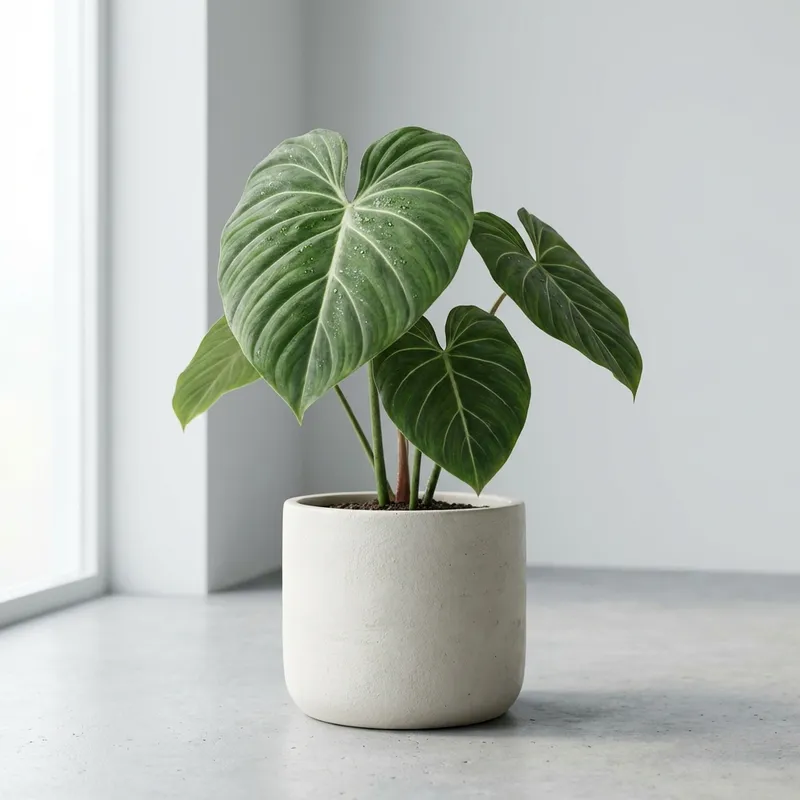
Philodendrons are a diverse genus of plants in the family Araceae, highly valued as houseplants for their lush, attractive foliage and incredible resilience. They range from climbing vines with heart-shaped leaves to large, self-heading shrubs, making them suitable for various interior design styles.
Light
Bright Indirect
Water
Moderate
Difficulty
Easy
Humidity
Moderate
Pet Warning
All parts of the Philodendron contain calcium oxalate crystals, which are toxic to cats, dogs, and humans. Ingestion can cause oral irritation, swelling, and vomiting.
Care Guide
Philodendron Care Guide
Light
Thrives in bright, indirect light. Prolonged direct sun will scorch leaves, while low light can cause leggy stems and smaller leaves.
Water
Water when the top inch of soil feels dry. These plants prefer consistent moisture but are prone to root rot if left in standing water. Reduce watering in winter.
Temperature and Humidity
Ideal temperatures are between 65°F and 80°F. They appreciate moderate to high humidity; use a humidifier or mist the leaves if the air is dry.
Maintenance
Wipe leaves with a damp cloth periodically to remove dust. This helps the plant breathe and keeps it looking vibrant.
Common Issues
Yellow leaves may indicate overwatering, while brown, crispy edges usually suggest low humidity or underwatering.
In-Depth Care & Growth
Feeding & Soil
Fertilizer
Balanced liquid houseplant fertilizer
Soil
Well-draining, peat-based potting mix with perlite.
Physical Attributes
Mature Size
Vining types can reach 10-20 feet indoors; upright types reach 3-6 feet.
Growth Rate
Moderate
Propagation
Stem cuttings in water or soil, division, or air layering.