Philodendron Polypodioides
Philodendron polypodioides
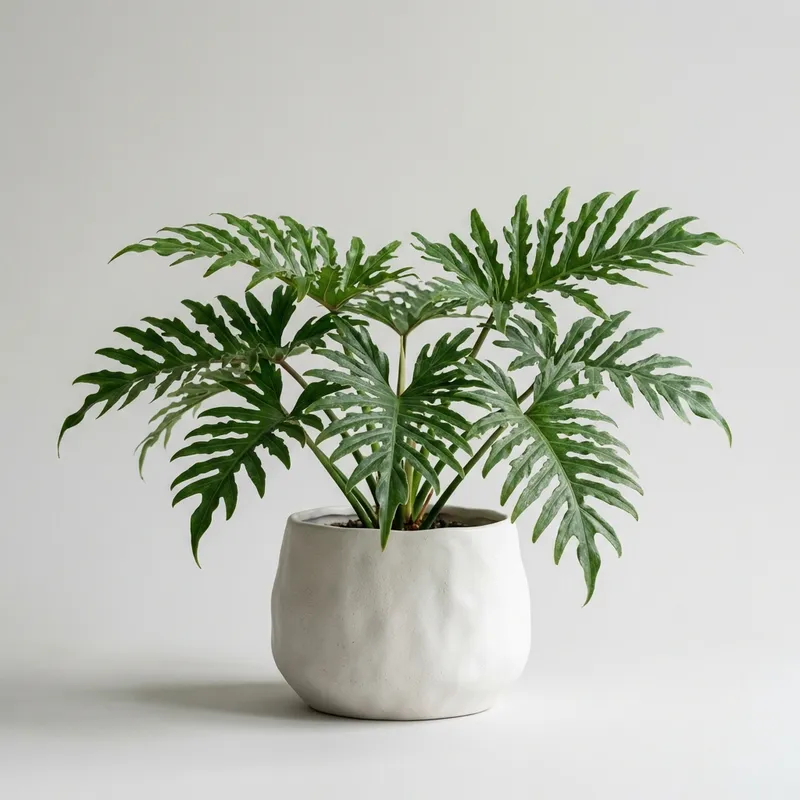
The Philodendron polypodioides is a rare and striking hemiepiphytic climber native to the tropical rainforests of South America. It is most famous for its deeply pinnatifid leaves that bear a remarkable resemblance to fern fronds or skeletal fingers. As the plant matures and is given the opportunity to climb, the foliage becomes increasingly complex and elongated, making it a highly architectural and sought-after specimen for serious aroid collectors.
Light
Bright Indirect
Water
Moderate
Difficulty
Moderate
Humidity
High
Pet Warning
Like most Philodendrons, this species contains insoluble calcium oxalate crystals which are toxic to cats, dogs, and humans. Ingestion can cause severe mouth and throat irritation, swelling, and digestive upset.
Care Guide
Philodendron polypodioides Care Guide ### Light Provide consistent bright, indirect light. This species naturally grows under the forest canopy, so it needs filtered sun. Direct afternoon rays will scorch the narrow lobes of the leaves. ### Watering Water thoroughly when the top two inches of soil feel dry to the touch. Ensure excellent drainage to prevent the roots from sitting in stagnant water. Reduce watering frequency during the cooler winter months. ### Humidity This plant requires high humidity levels (60% or higher) to thrive and produce large leaves. In dry environments, use a humidifier or a dedicated grow cabinet to maintain moisture. ### Support and Growth As a natural climber, this plant must be provided with a moss pole or cedar plank. Allowing the aerial roots to attach to a vertical support will encourage the leaves to reach their impressive mature size and intricate shape. ### Maintenance Wipe the leaves regularly with a damp cloth to remove dust and check for common pests like spider mites or mealybugs. Trim any yellowing lower leaves with sterile shears to maintain the plant's health.
In-Depth Care & Growth
Feeding & Soil
Fertilizer
Balanced liquid foliage fertilizer
Soil
A very chunky, well-draining aroid mix consisting of orchid bark, perlite, horticultural charcoal, and coco coir or peat moss.
Physical Attributes
Mature Size
8 to 12 feet tall indoors with vertical support
Growth Rate
Moderate
Propagation
Stem cuttings containing at least one node, which can be rooted in water, moist sphagnum moss, or perlite.