Nature’s Therapy: How Tending to Plants Lowers Cortisol
Discover the science-backed benefits of indoor gardening and how simple plant care routines can significantly reduce stress levels.
Nature’s Therapy: How Tending to Plants Lowers Cortisol
In our fast-paced, digital world, stress has become a constant companion. High levels of cortisol—the body’s primary stress hormone—can lead to anxiety, sleep disruption, and a host of other health issues. While there are many ways to manage stress, one of the most effective and rewarding methods is literally right under our noses: indoor gardening.
Scientific studies have shown that interacting with indoor plants can reduce both physiological and psychological stress. The act of tending to a living thing encourages mindfulness, provides a sense of accomplishment, and grounds us in the present moment.
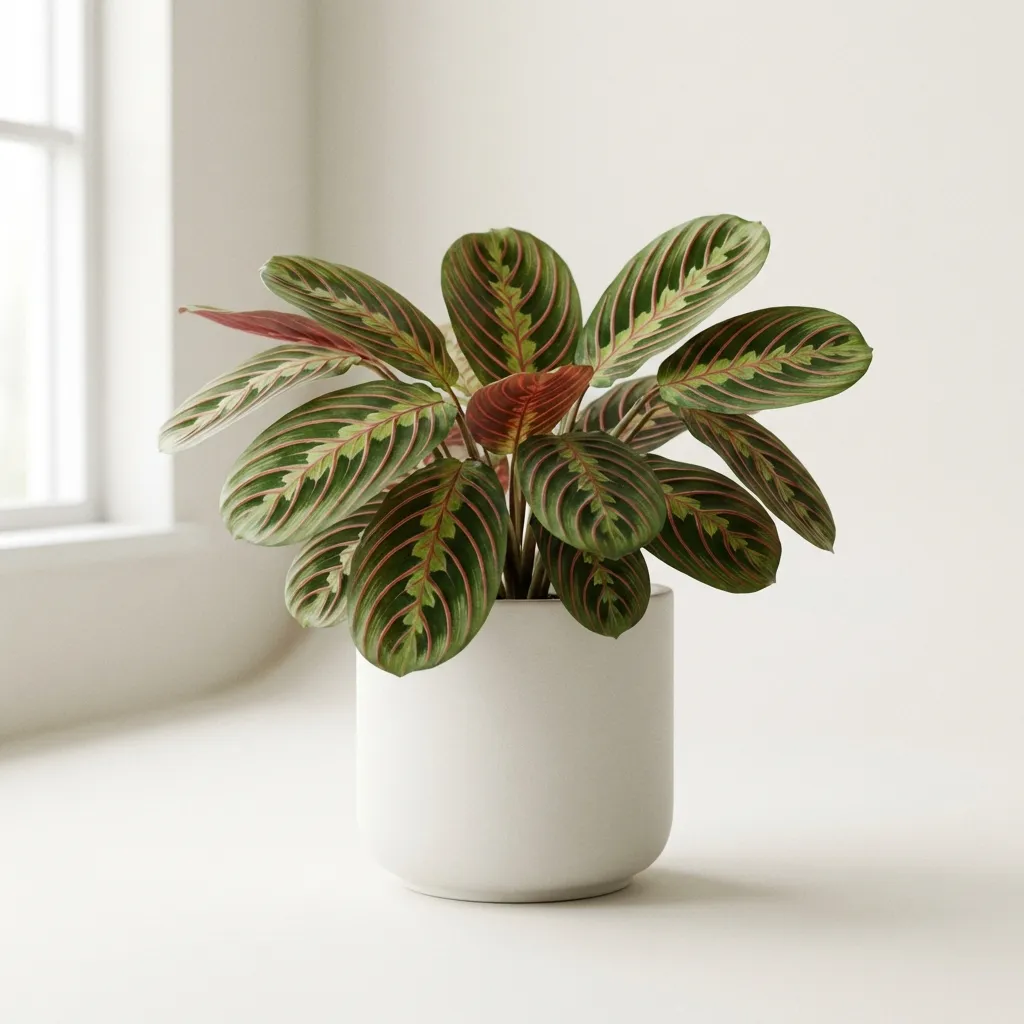
1. Mindfulness in Motion: Prayer Plant (Maranta leuconeura)
The Prayer Plant is a favorite for stress relief because of its unique “prayer” habit. At night, its leaves fold upward like hands in prayer. Watching this slow, rhythmic movement over the course of an evening encourages a slower pace of life and rewards observant, mindful care.
Learn more about Prayer Plant care →
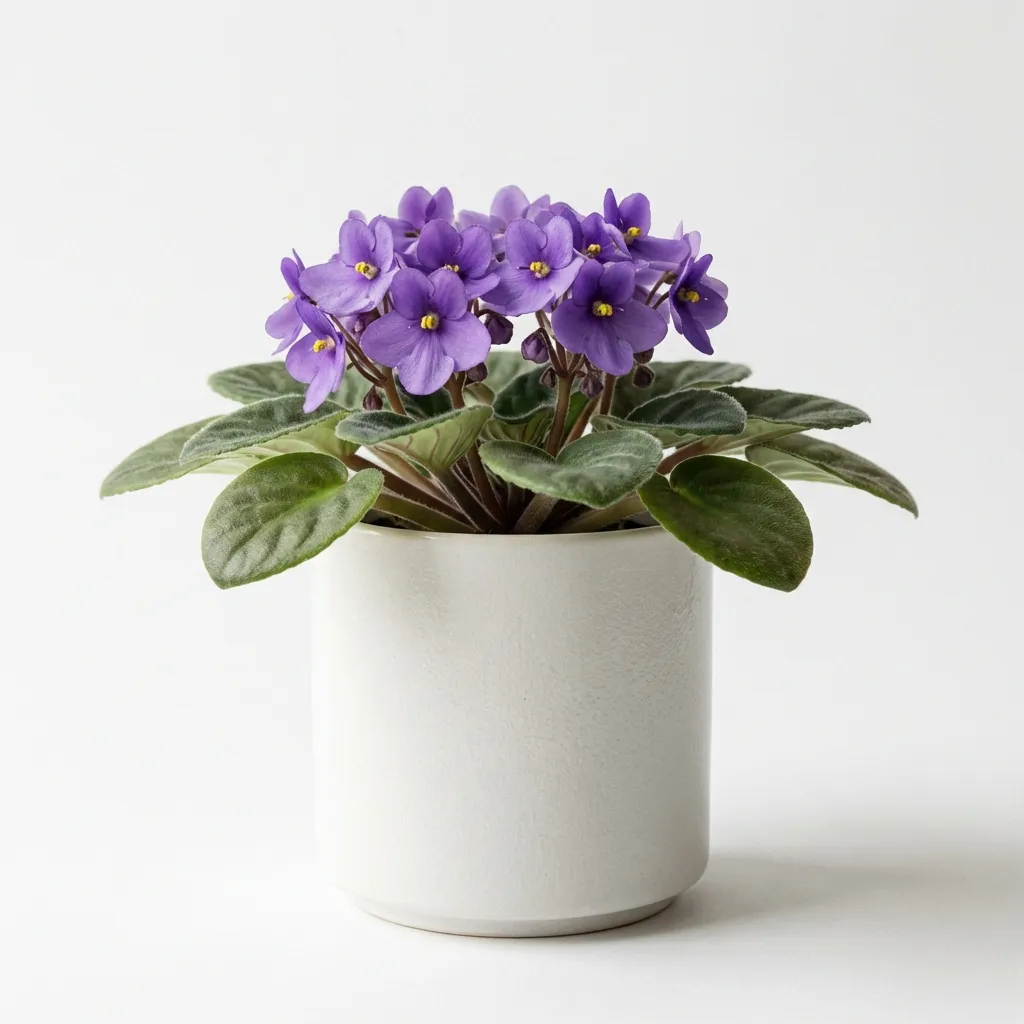
2. Tactile Comfort: African Violet (Saintpaulia ionantha)
There’s something inherently soothing about the soft, fuzzy leaves of the African Violet. Engaging our sense of touch is a powerful way to ground ourselves when we feel overwhelmed. These delicate bloomers require consistent, gentle care, making them the perfect focal point for a daily “check-in” ritual.
Learn more about African Violet care →
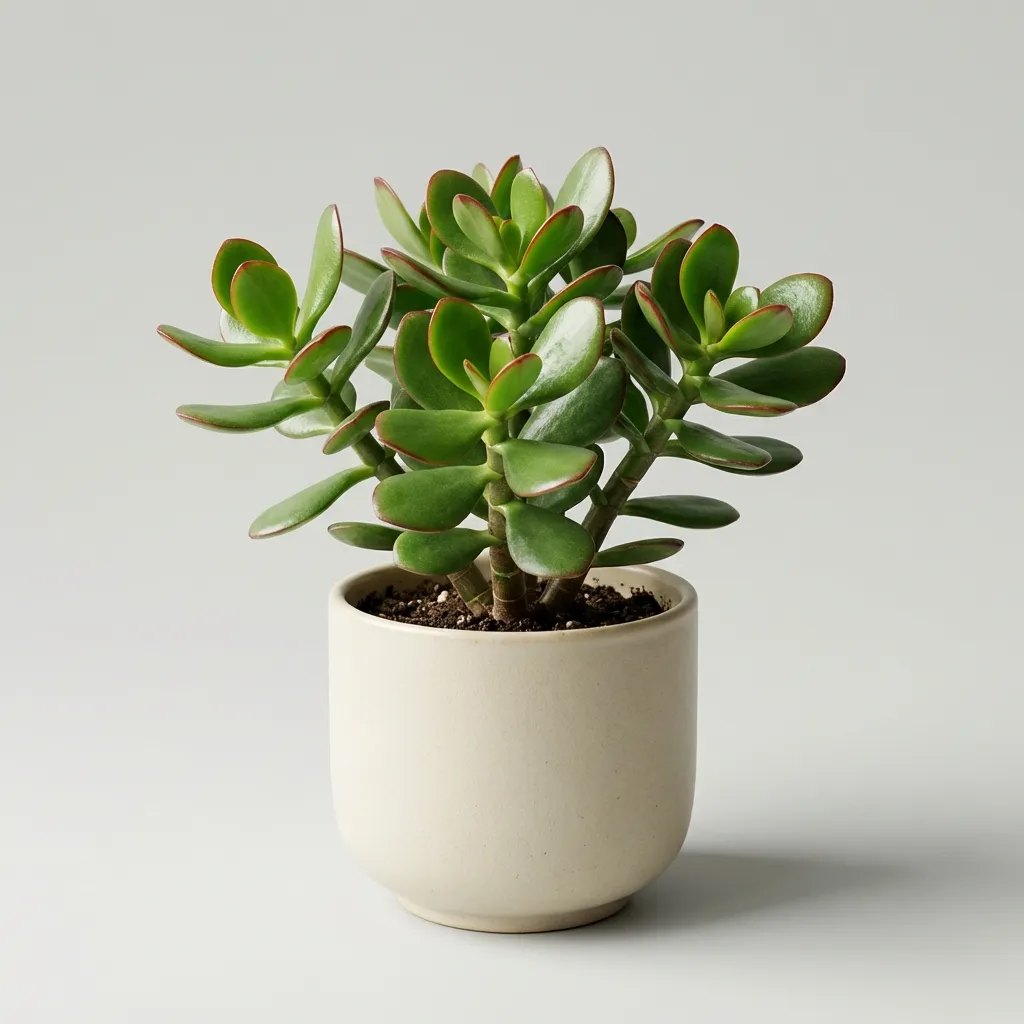
3. Stability and Patience: Jade Plant (Crassula ovata)
The Jade Plant is a symbol of longevity and stability. Unlike fast-growing vines, the Jade grows slowly and steadily, developing a thick, tree-like trunk over years. Tending to a Jade plant teaches us the value of patience and reminds us that some of the most beautiful results take time to cultivate.
Learn more about Jade Plant care →
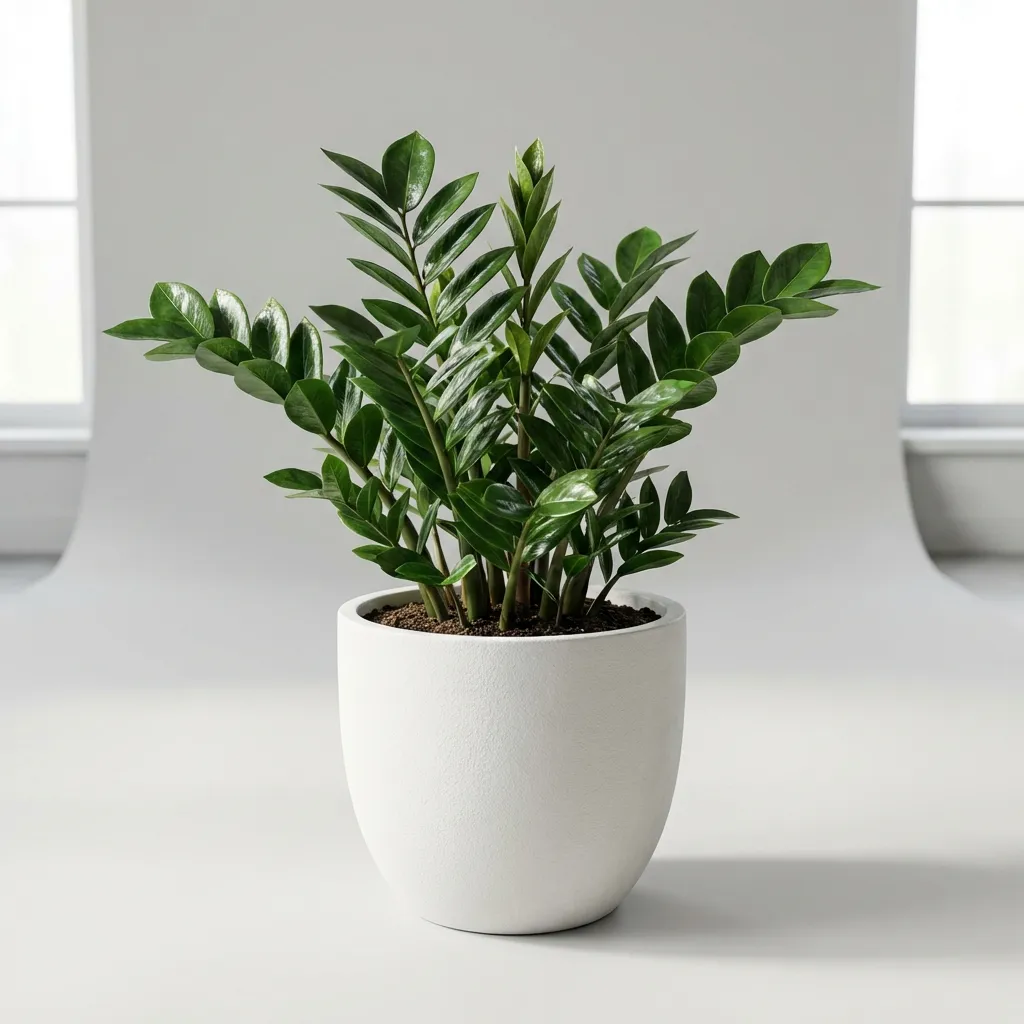
4. The “No-Stress” Companion: ZZ Plant (Zamioculcas zamiifolia)
Sometimes, the stress of worrying about killing a plant can outweigh the benefits of having one. Enter the ZZ Plant. Because it is so incredibly resilient and requires so little attention, it provides the psychological boost of “greenery” without the pressure of a demanding schedule. It’s the ultimate low-cortisol plant.
Learn more about ZZ Plant care →
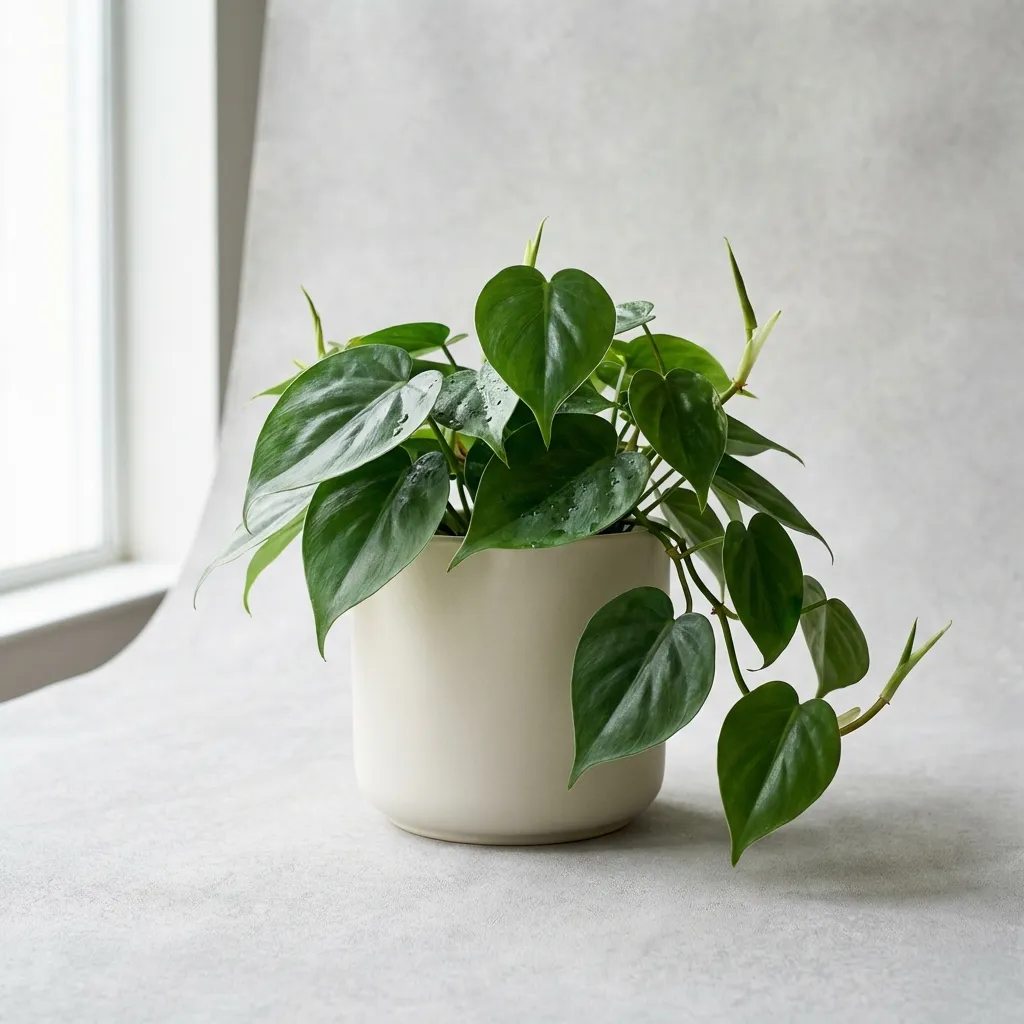
5. Rewarding Growth: Heartleaf Philodendron (Philodendron hederaceum)
If you need a quick win to boost your mood, the Heartleaf Philodendron is your best friend. It grows quickly and is very expressive—trailing gracefully from shelves or climbing up poles. Seeing tangible proof of your care in the form of new, heart-shaped leaves is a natural dopamine hit that helps counteract cortisol.
Learn more about Heartleaf Philodendron care →
Creating Your Therapy Routine
To get the most cortisol-lowering benefits from your plants, try these simple steps:
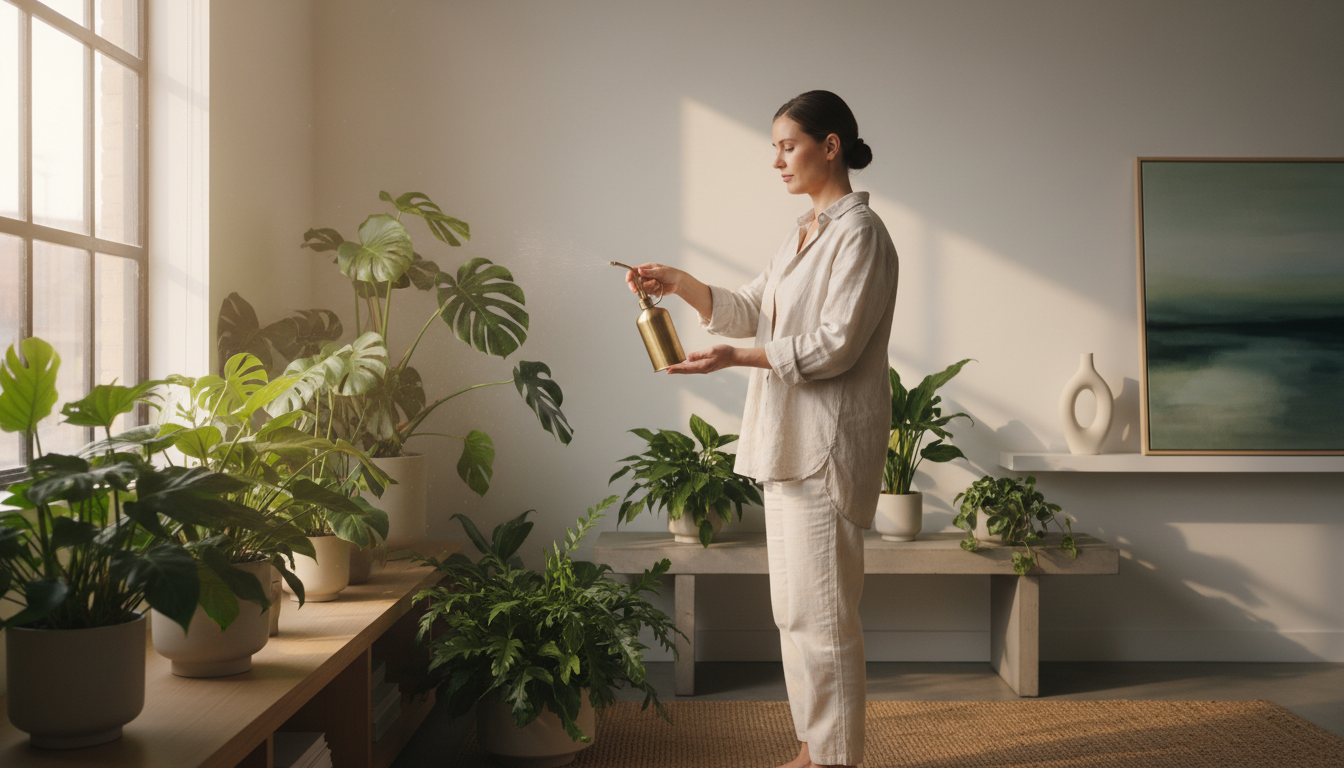
- The Morning Mist: Use a spray bottle to mist your tropical plants in the morning. Focus on the sound of the water and the scent of damp earth.
- Leaf Dusting: Gently wipe the leaves of your larger plants with a damp cloth. It’s a rhythmic, meditative task that clears both the plant’s pores and your mind.
- Digital-Free Zone: Make your plant care time a “no phone” zone. Focus entirely on the colors, textures, and needs of your green companions.
By turning plant care into a ritual rather than a chore, you can transform your home into a true sanctuary for mental well-being.